
Julius Asal: Préludes and Pensées
Exciting young pianist Julius Asal performs an utterly absorbing recital of Russian music, along with a brand new commission from Lera Auerbach.
Prokofiev was in an unusually introspective mood when he composed his Pensées in 1935. His music is often spiky, or at a breakneck tempo, or both. These rarely-played miniatures are by contrast slow and contemplative for the most part. For Julius Asal, who has a particular affinity with Prokofiev’s music, they “reflect Prokofiev’s doubts about life in Paris and the desire, which has grown over the years, to return to his old homeland”. This he did the following year, where he premiered the Pensées in Moscow: his desire fulfilled.
Composer, pianist, visual artist and poet Lera Auerbach was born in Russia, but moved to the USA aged 17. Her compositions often take inspiration from extra-musical sources, and in her new piece for Julius Asal (a co-commission with BBC Radio 3) she responds to the series of undelivered love letters written by Emma Hauck – confined to a psychiatric institution in 1909 – to her husband. Her letters consist of just two words, written over and over again: “Herzensschatzi, komm” (“Darling, come”).
Rachmaninoff’s 13 Préludes were composed in 1910 in the slipstream of his famously beautiful (and famously difficult) Third Piano Concerto. Written for his own formidable abilities at the keyboard, they are intricate and often challenging. But they encompass a beguiling range of moods and styles, from stormy to tender to dreamy to playful. Overall they are a remarkable testament to the expressive range of the piano – and to Rachmaninoff’s muscular performing style.
Julius Asal piano
Commissioned by BBC Radio 3, the Henry Barber Trust and Britten Pears Arts and first performed by Julius Asal on Friday 27 March 2026 at the Elgar Concert Hall, Birmingham.
Kindly supported by Radio 3’s New Generation Artist scheme.
Main image: Julius Asal © Michael Reinicke
This performance is being recorded by BBC Radio 3 for future broadcast on Radio 3’s Classical Live and will be available afterwards on BBC Sounds.


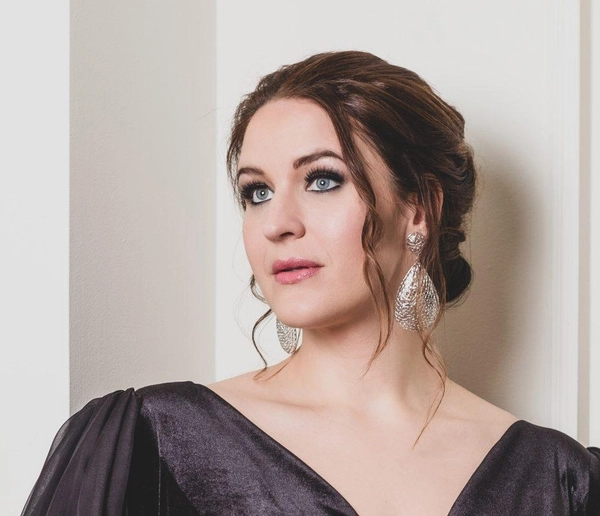
Dates & times
You might also like
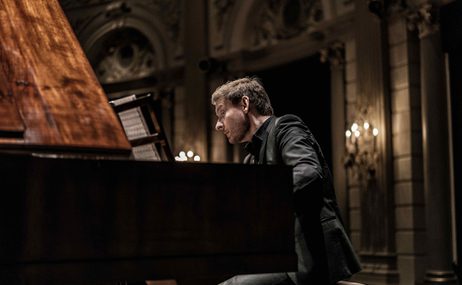
Kristian Bezuidenhout: Schubert
Schubert’s life in piano pieces: from early works to late masterpieces, this is an exquisite programme performed by the exceptional Kristian Bezuidenhout.
Snape Maltings Concert Hall
|
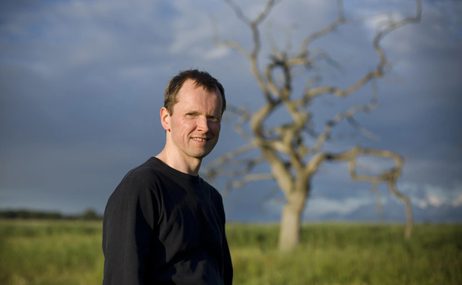
Steven Osborne: Crumb and Feldman
A “marvellous shimmer”: a morning of mesmeric piano music by Feldman and Crumb, performed by the brilliant Steven Osborne.
Britten Studio, Snape Maltings
|

Adèle Charvet and Florian Caroubi: Songs of the Belle Époque
Of love, night, and paradise: exquisite songs of the Belle Époque.
Britten Studio, Snape Maltings
|