Pelléas et Mélisande
A mysterious princess. A remote castle. A love triangle. Debussy’s breathtaking opera is a dark fairytale caught in a dream.
“No time, no place. No big scene.” So Debussy wrote to his teacher Ernest Guiraud in 1890. It was a kind of mission statement for his ideal style of opera: in a world of increasingly “big scenes” – courtesy of Wagner and Verdi – Debussy wanted something radically different.
After several false starts, he finally found what he was looking for in an enigmatic play by Maurice Maeterlinck called Pelléas et Mélisande, full of symbols, ambiguous meanings and shadowy characters. It was the perfect home for Debussy’s innovative approach to opera, and for his startlingly new musical language. He finished Pelléas et Mélisande, his only completed opera, in 1902. The critics were perplexed, but in more recent years it has become one of the most admired works in the repertoire, beguiling audiences time and again with its elusive, shimmering beauty.
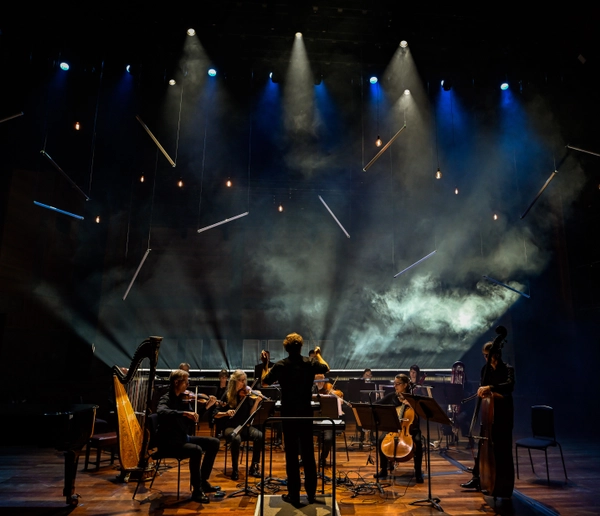
Rory Kinnear directs a semi-staging of the opera, while Ryan Wigglesworth conducts the BBC Scottish Symphony Orchestra and a dream of a cast, including Sophie Bevan and Jacques Imbrailo as the two lovers.
Download programme notes.
Jacques Imbrailo Pelléas
Sophie Bevan Mélisande
Gordon Bintner Golaud
Sarah Connolly Geneviève
Nicolas Testé Arkel
Beth Stirling Yniold
Fabian-Jakob Balkhausen Doctor
David Kennedy Shepherd
BBC Scottish Symphony Orchestra
Ryan Wigglesworth conductor
Rory Kinnear director
Vicki Mortimer set and design elements
Paule Constable and Imogen Clarke lighting designer
Chorus (onstage):
Alto: Camilla Seale, Phoebe Rayner,
Myrna Tennant
Tenor: Richard Dowling
Bass: Samuel Pantcheff
(offstage):
Alto: Lauren Young
Tenor: James Robsinson, John Bowen
Bass: David Kennedy, Stephen Whitford,
Jimmy Holliday
Sung in French, with English surtitles.
Image gallery
A gallery slider
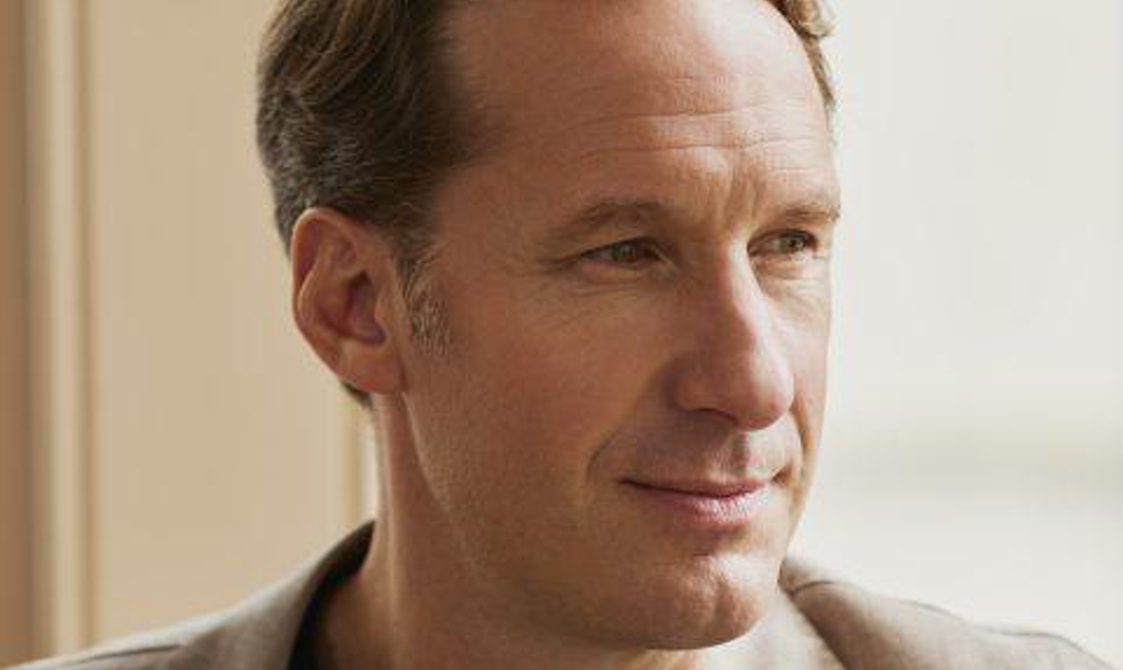
Jacques Imbrailo
©Owl Artist Management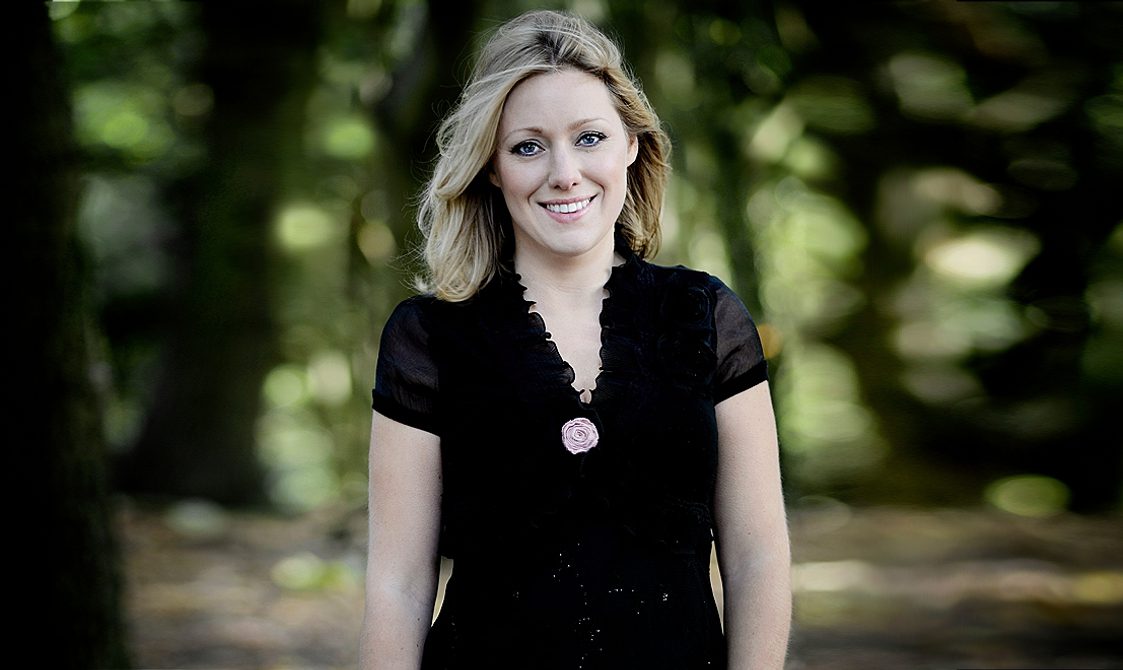
Sophie Bevan
©Sussie Ahlburg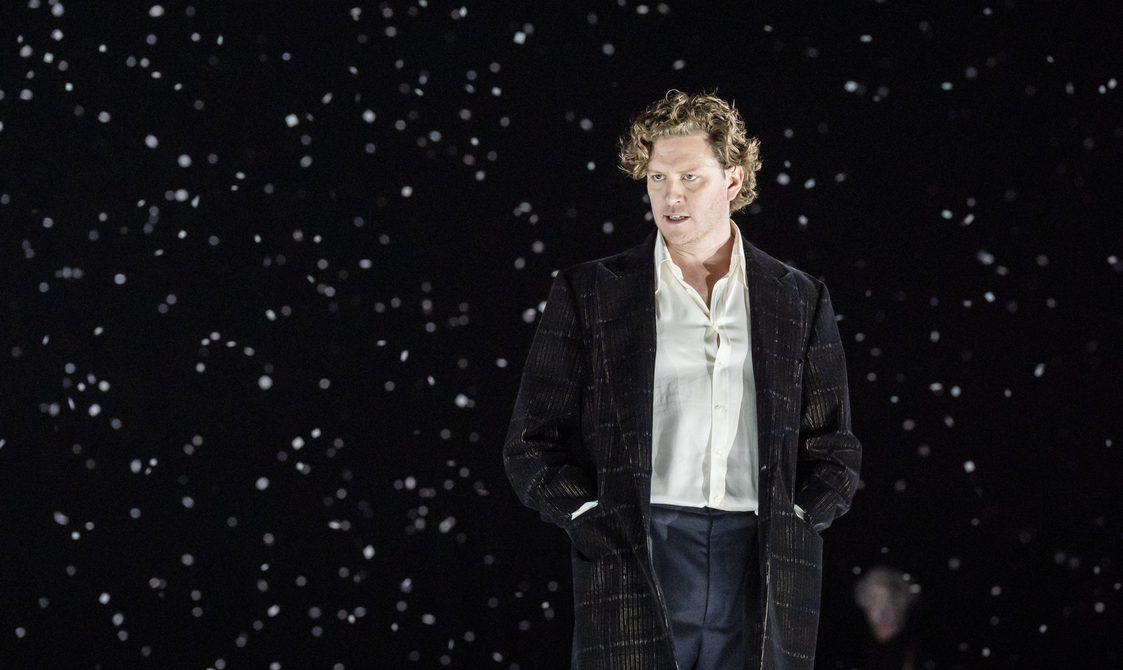
Gordon Bintner
©Royal Ballet Opera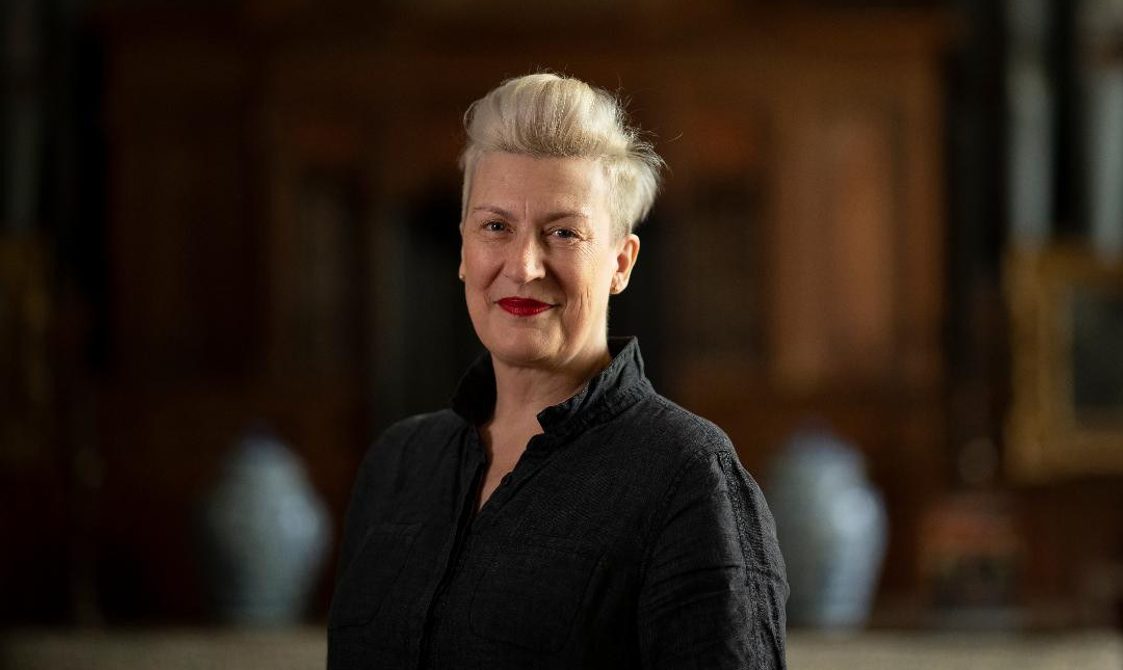
Sarah Connolly
©Christopher Pledger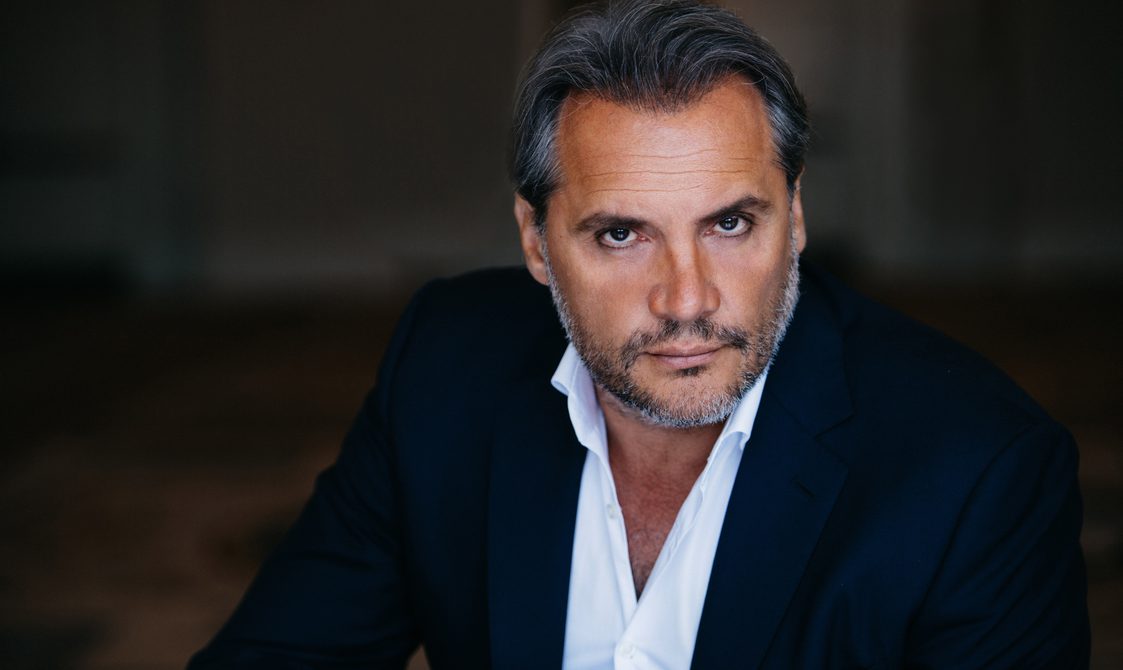
Nicolas Testé
©Jiyang Chen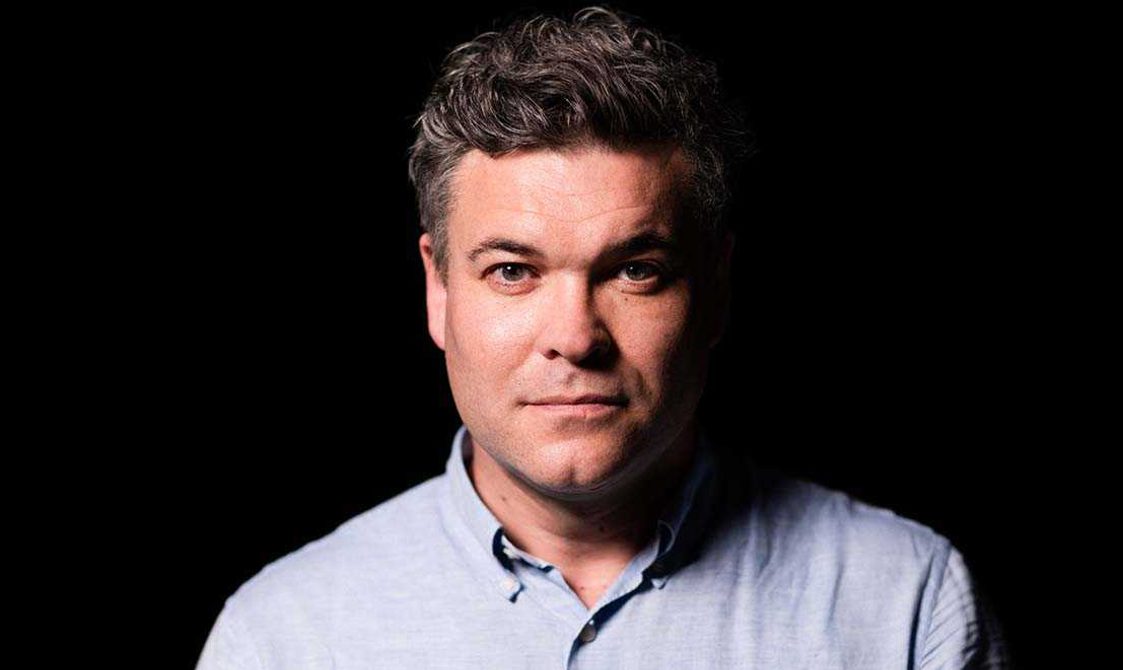
Ryan Wigglesworth
©Benjamin EalovegaKindly supported by the Opera Circle: The Lord Morse of Aldeburgh & Lady Morse, Grant and Caroline Masom, and anonymous donors.
You might also like
Pre-performance Talk:
Pelléas et Mélisande
Before the performance of Pelléas et Mélisande, a fascinating discussion between Festival Featured Artist and conductor Ryan Wigglesworth and director Rory Kinnear.
Britten Studio, Snape Maltings

Adèle Charvet and Florian Caroubi: Songs of the Belle Époque
Of love, night, and paradise: exquisite songs of the Belle Époque.
Britten Studio, Snape Maltings
|
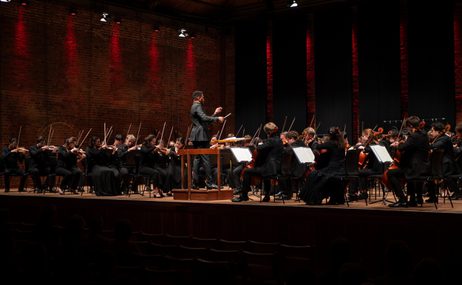
RAM Symphony Orchestra and Sarah Connolly: Worlds of Magic and Might
An intriguing programme of orchestral works: Ryan Bancroft conducts the Royal Academy of Music Symphony Orchestra, with soloist Sarah Connolly.
Snape Maltings Concert Hall
|