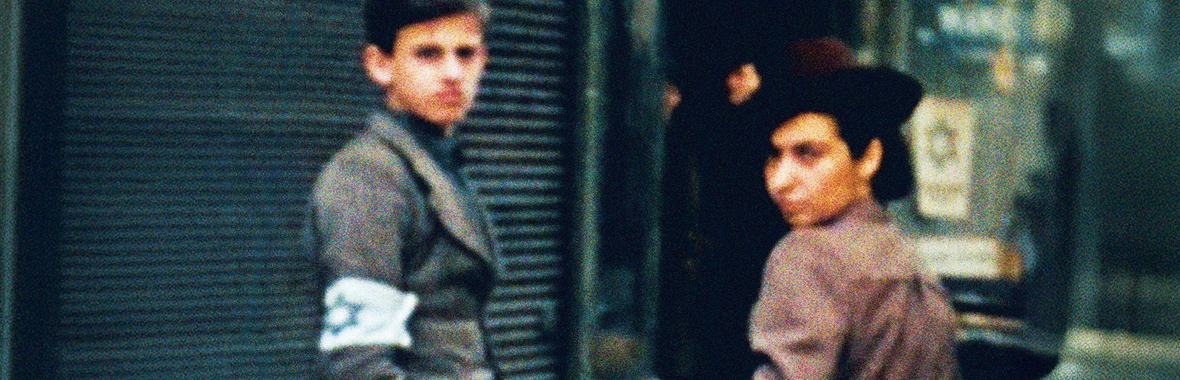
Philippe Sands: East West Street
One city, two crimes, the lives of four men and the transformative power of music: a truly memorable performance piece.
80 years since the Nuremberg Trials and 10 years on since the publication of East West Street: On the Origins of Genocide and Crimes Against Humanity, this is a talk illuminated by its connection to music. While writing his powerful book, Philippe Sands gave a lecture in which music found itself playing a prominent part.
The talk evolved into a moving and thought-provoking performance piece, with music threaded in and out of its stories. Adding music completely altered the emotional atmosphere of the work. As Sands himself puts it, “Words rarely cause an audience to weep... The introduction of music is transformative”.
Download programme notes.
Laurent Naouri bass-baritone
Guillaume de Chassy piano
Philippe Sands writer, narrator
Katja Riemann narrator
Nina Brazier director
Paul Cremo dramaturg
Tremendously dramatic, moving and thought-provokingMatthew Reisz, Times Higher Education
Image gallery
A gallery slider
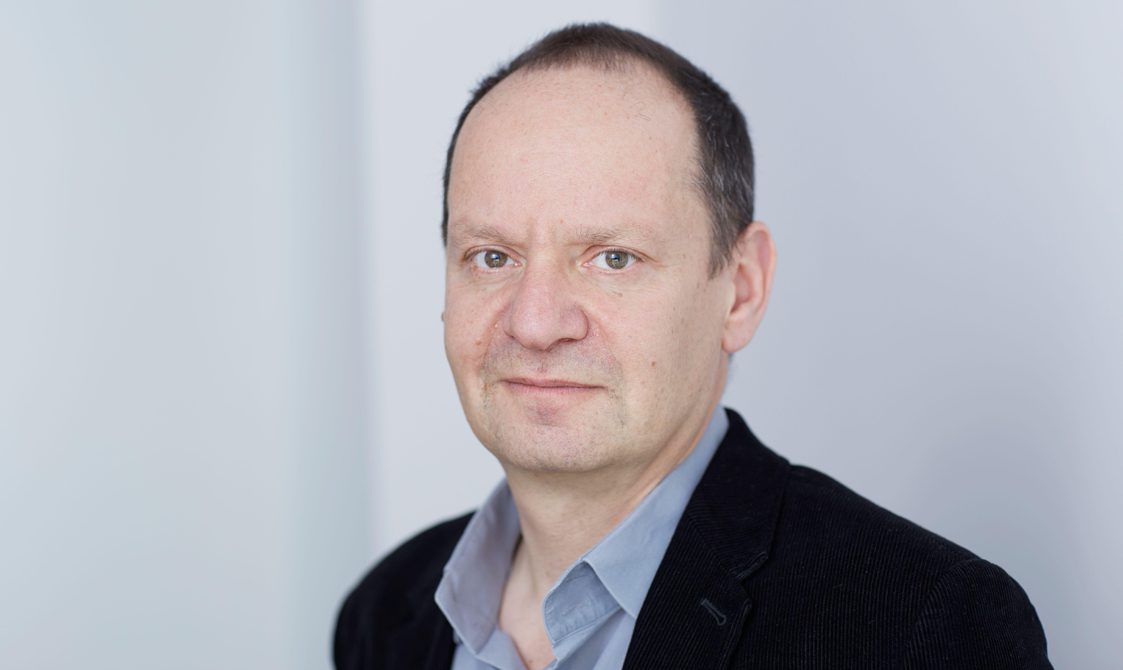
Philippe Sands
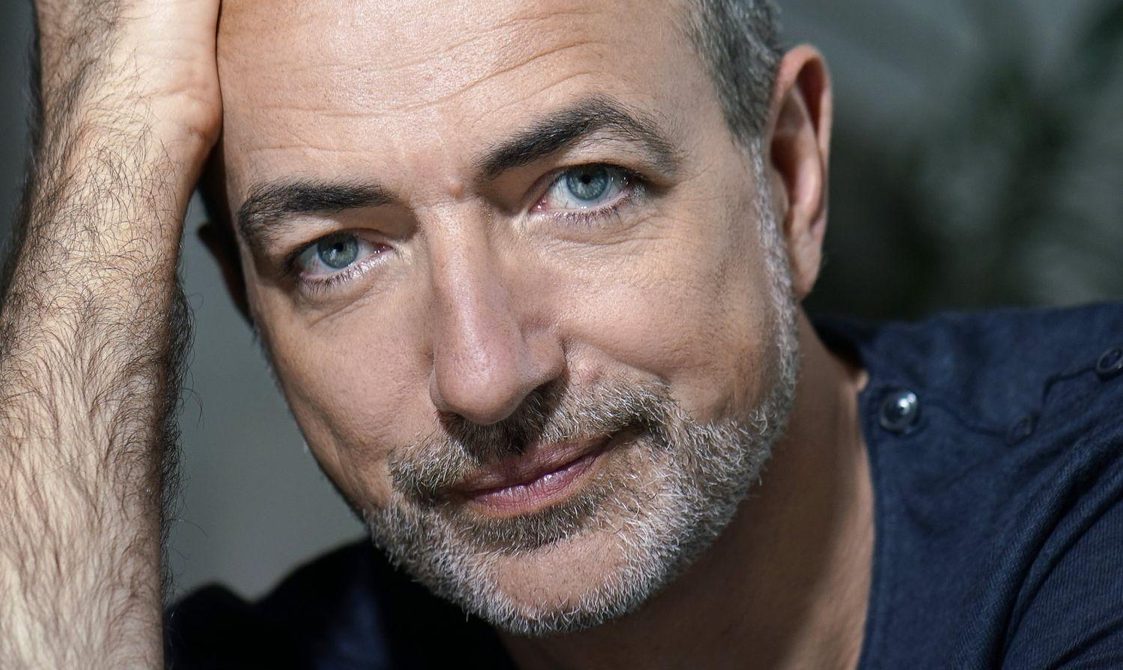
Laurent Naouri
©Bernard Martinez
Nina Brazier
©Michael Wharley
Katja Riemann
©Mathias Bothor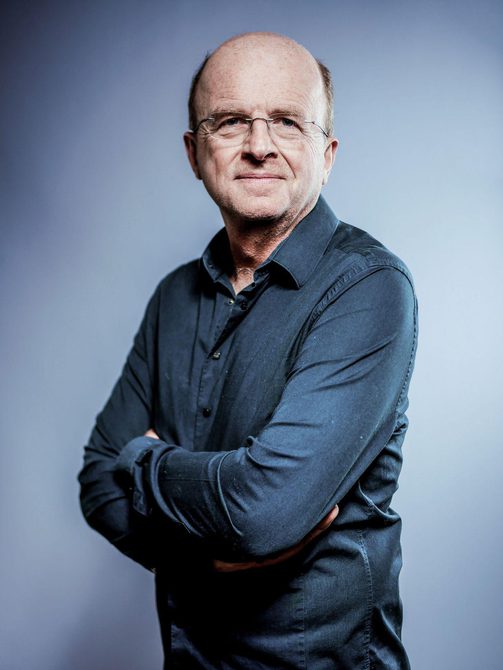
Guillaume de Chassy
©Jeff LudovicusMain image: East West Street, front cover photo, courtesy of Niklas Frank



You might also like
Talk:
Hesse Lecture: Brett Dean
Our annual Hesse Lecture returns on the final day of the Festival.
Britten Studio, Snape Maltings
|
RSPB River and Reedbed Ramble
Join RSPB’s enthusiastic guides for a gentle ramble as they help you to enjoy the wildlife at this special location.
Meet at Snape Quay, Snape Maltings
–
Participate: Leiston
Come and explore objects and music with our friendly team of workshop leaders and musicians.
Band of the Royal British Legion, Leiston
&